

13 products
-
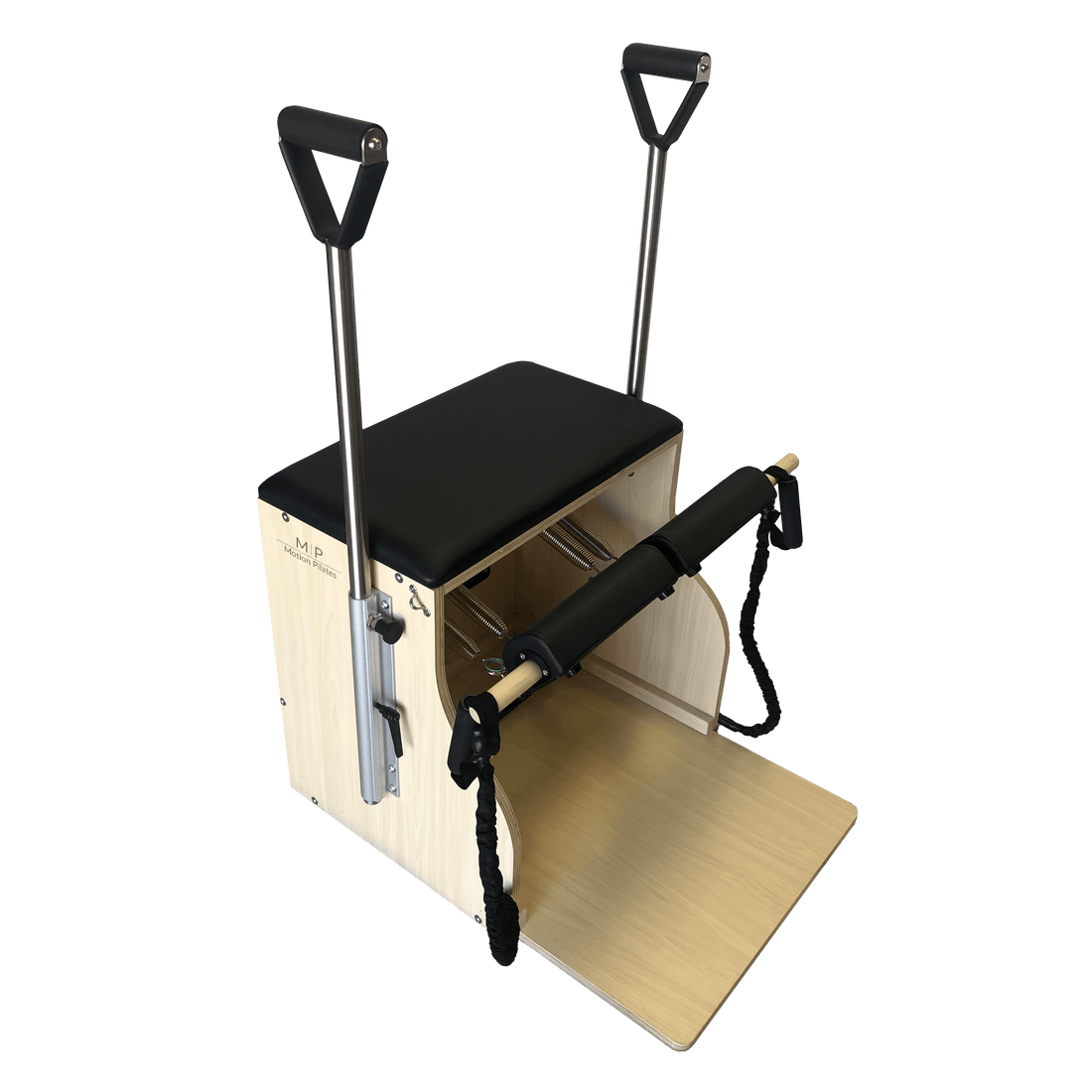
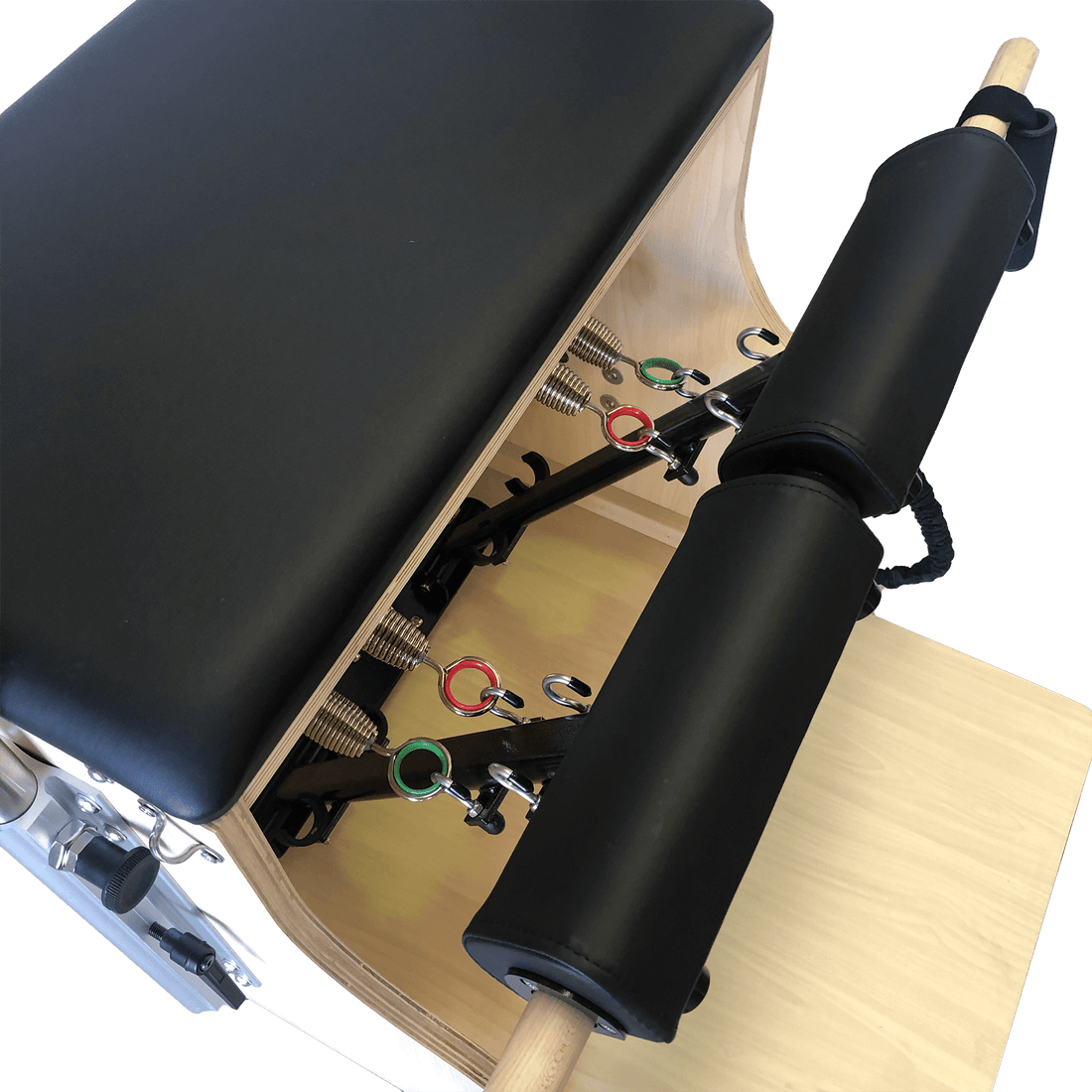 Motion Pilates Wunda ChairVendor:Motion Pilates Wunda ChairMotion Pilates
- Regular price
-
$1,590.00 - Regular price
-
$0.00 - Sale price
-
$1,590.00
Quick view
-
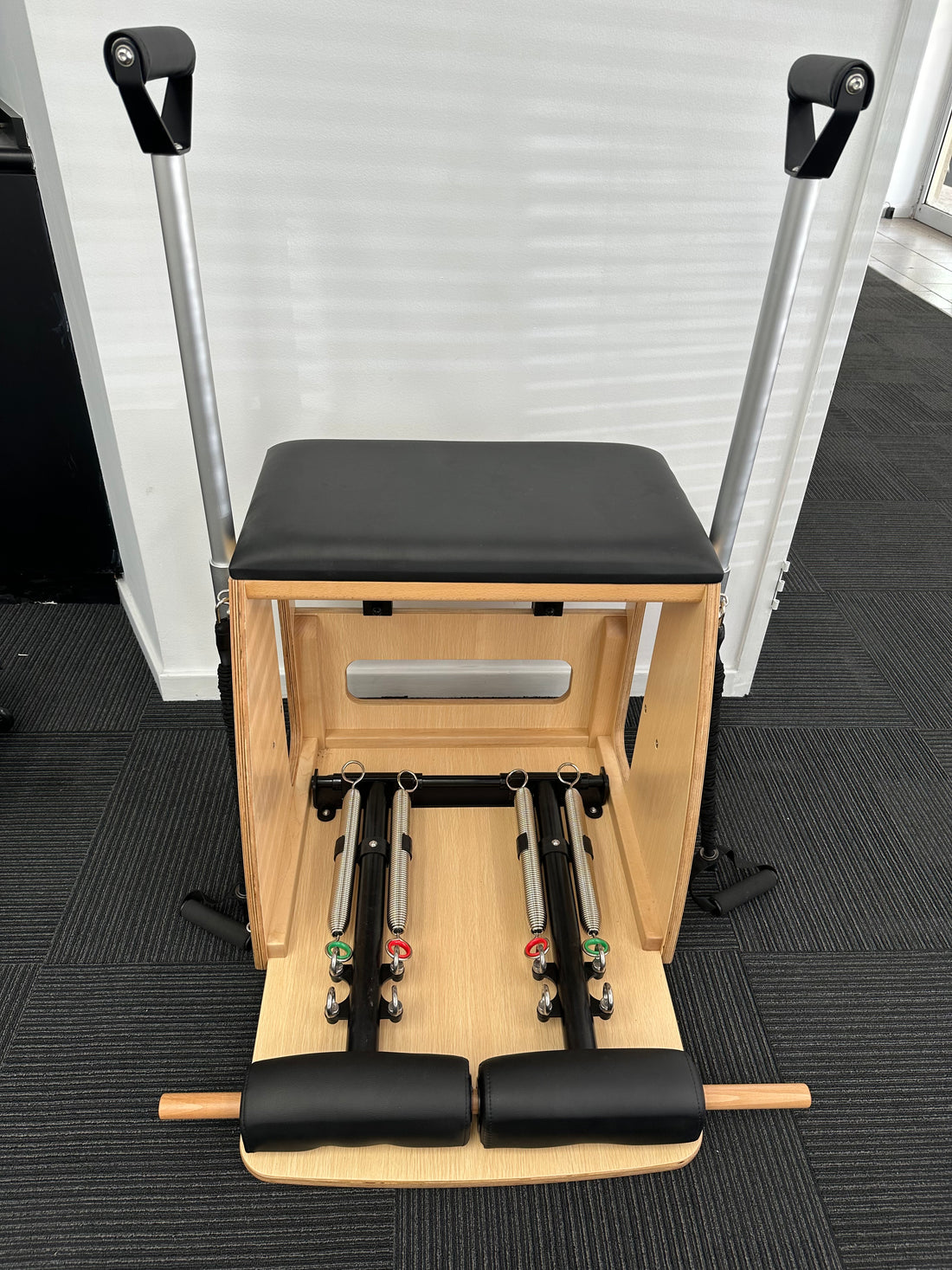
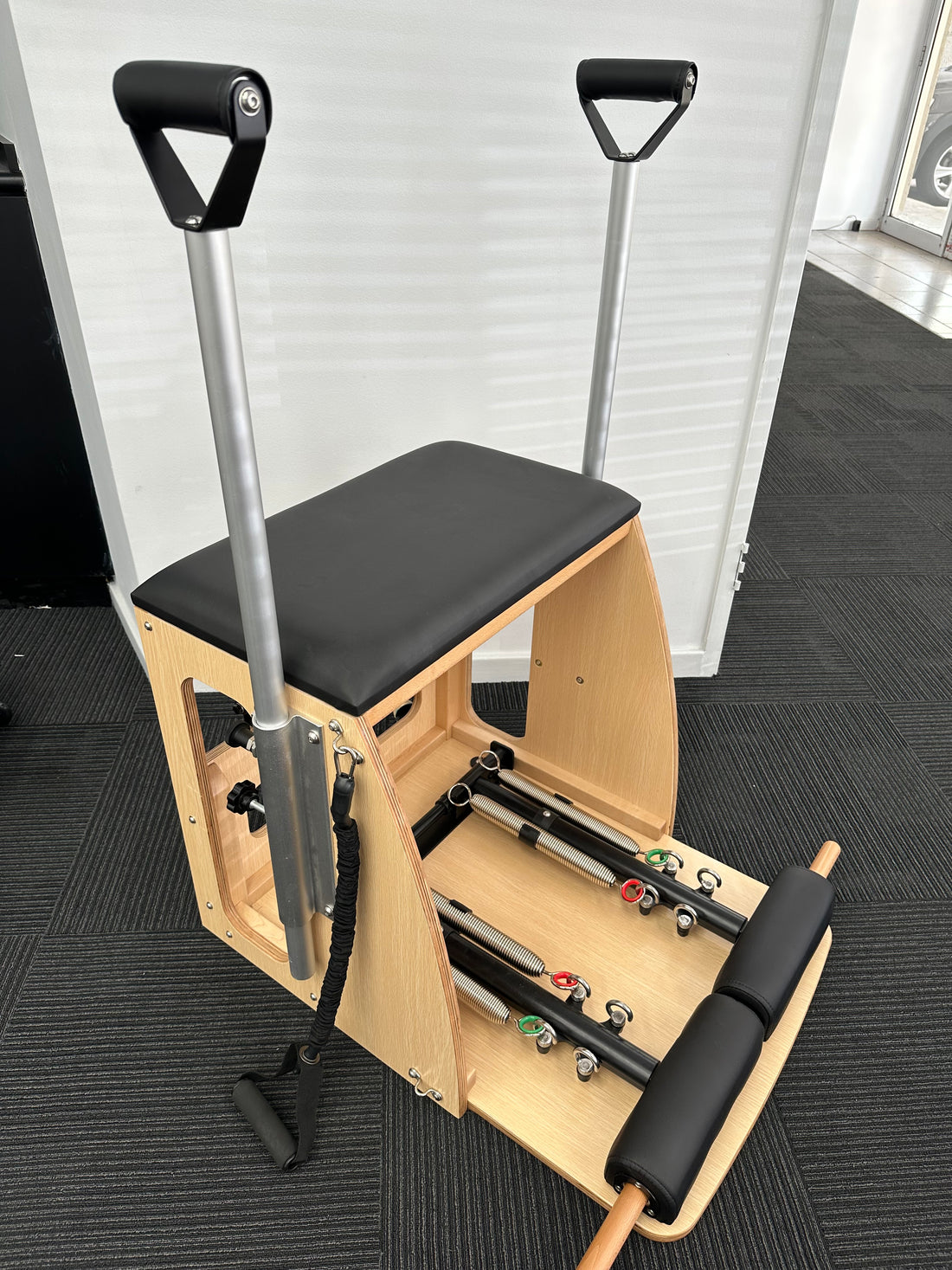 Wunda Chair | Pioneer PilatesVendor:Wunda Chair | Pioneer PilatesPioneer Pilates
- Regular price
-
$1,590.00 - Regular price
-
$0.00 - Sale price
-
$1,590.00
Quick view
-
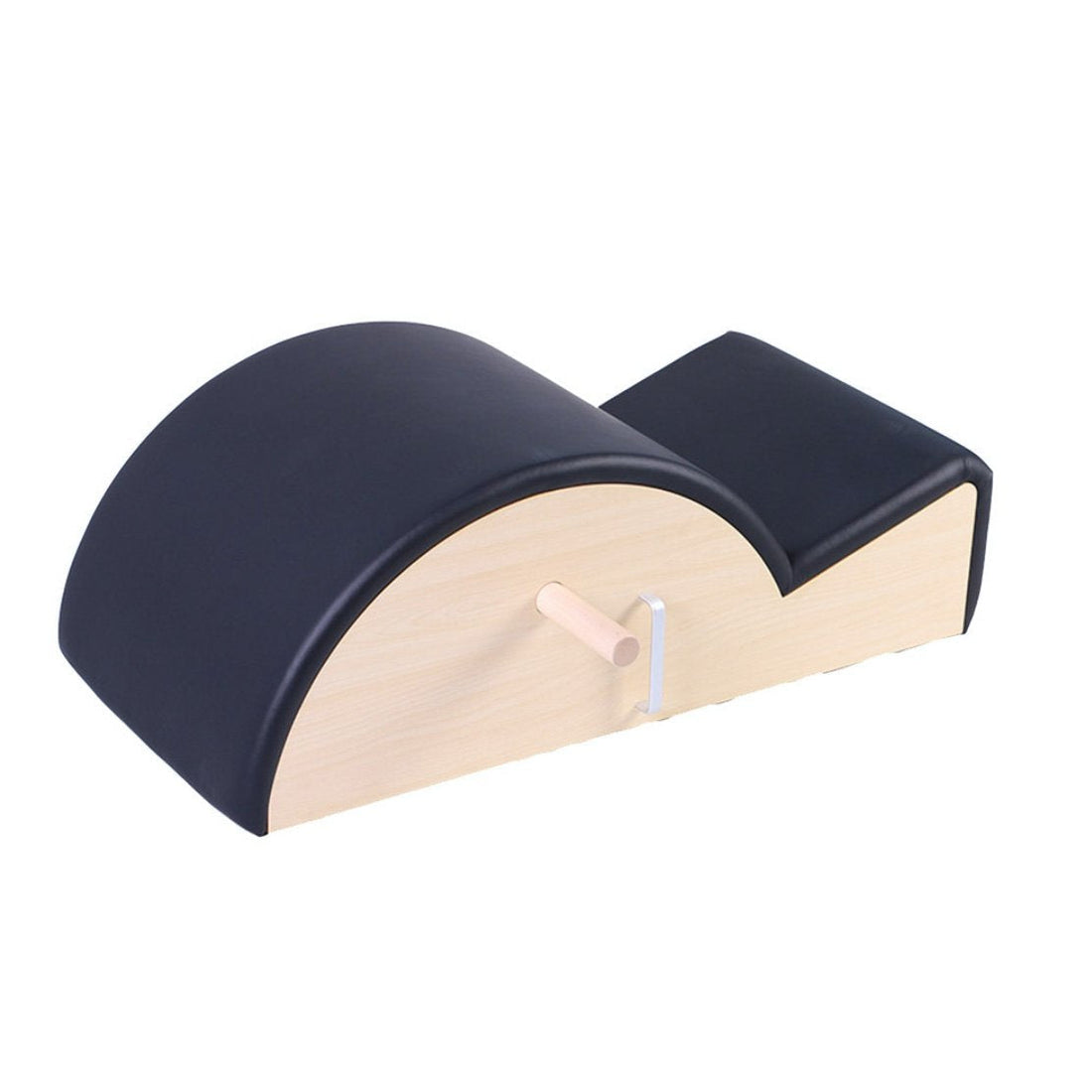
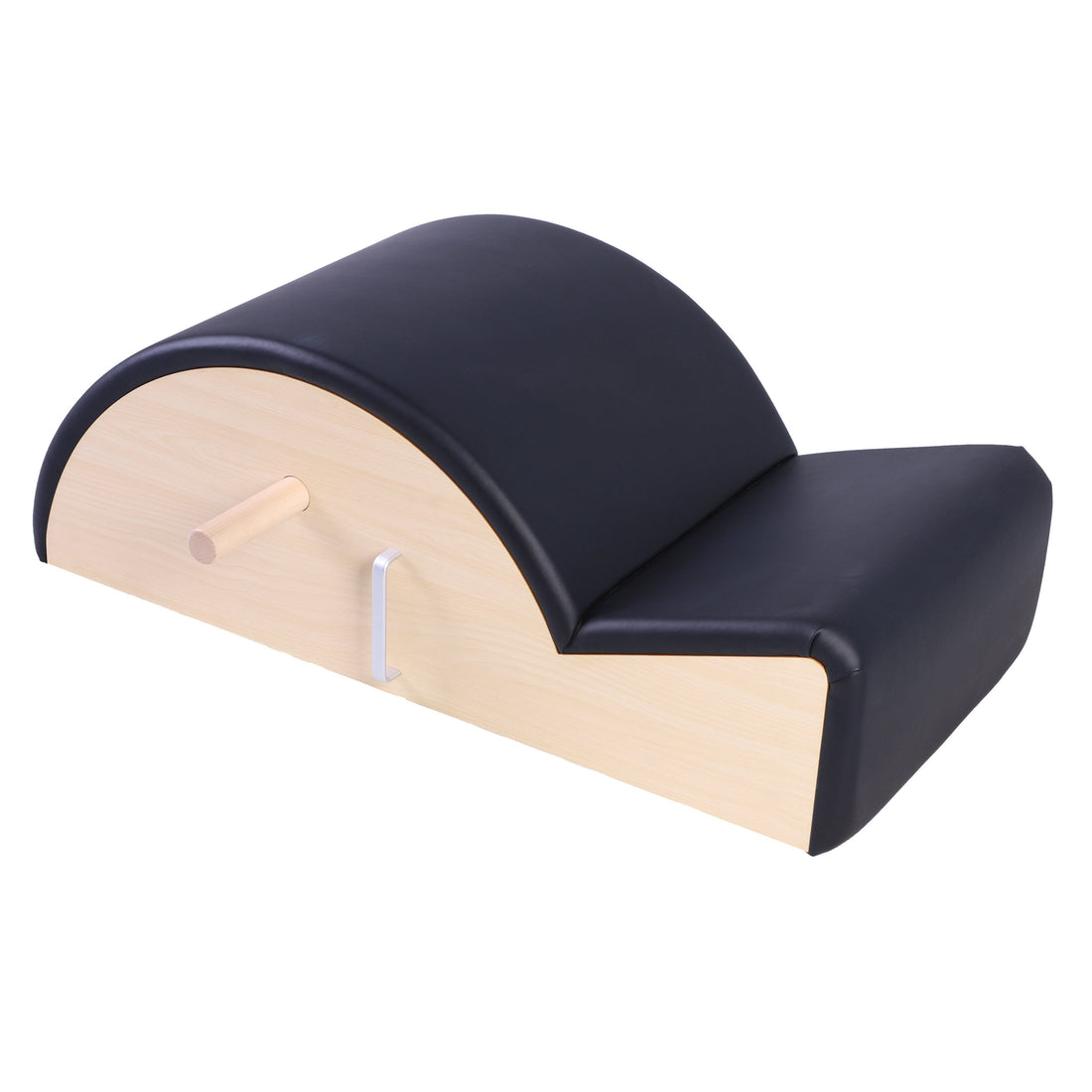 Spine Corrector | Motion PilatesVendor:Spine Corrector | Motion PilatesMotion Pilates
- Regular price
-
$430.00 - Regular price
-
$490.00 - Sale price
-
$430.00
Quick view
-
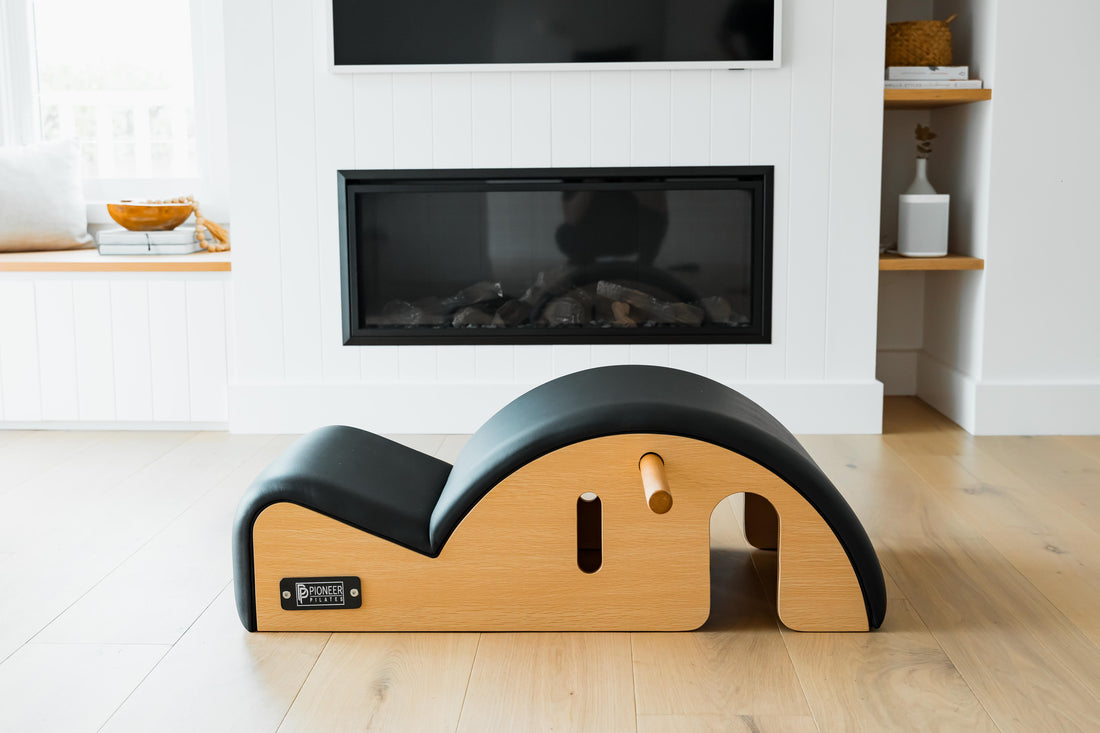
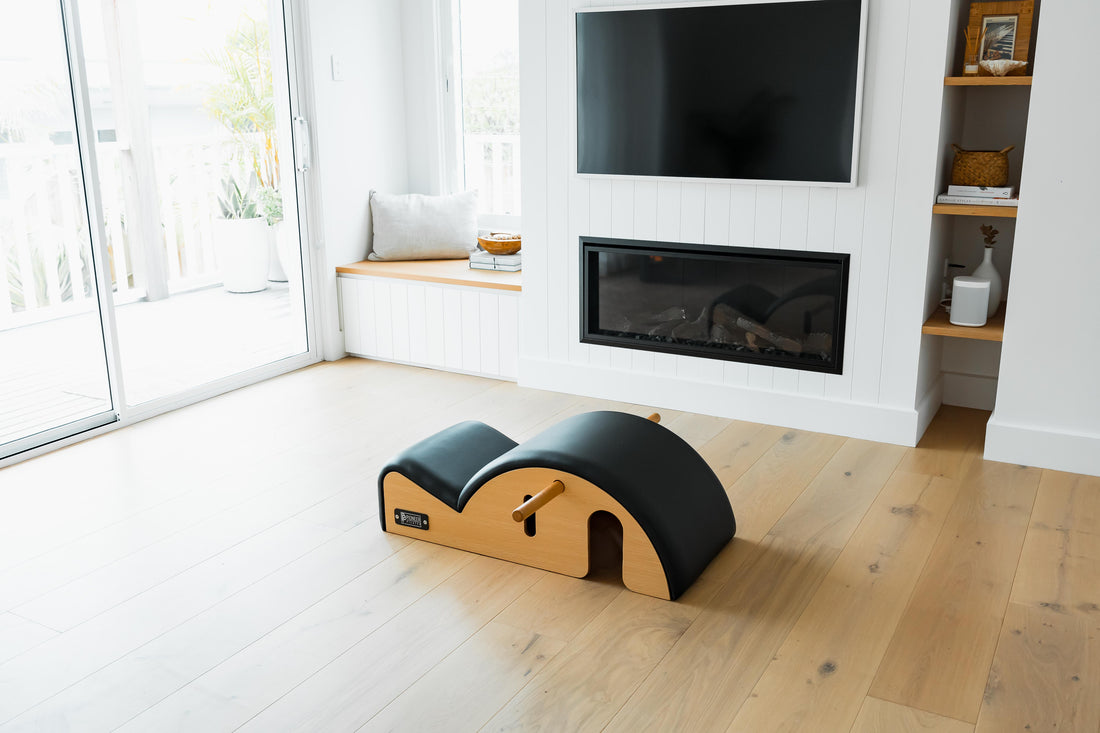 Pioneer Pilates | Spine CorrectorVendor:Pioneer Pilates | Spine CorrectorPilates Direct
- Regular price
-
$550.00 - Regular price
-
- Sale price
-
$550.00
Quick view
-
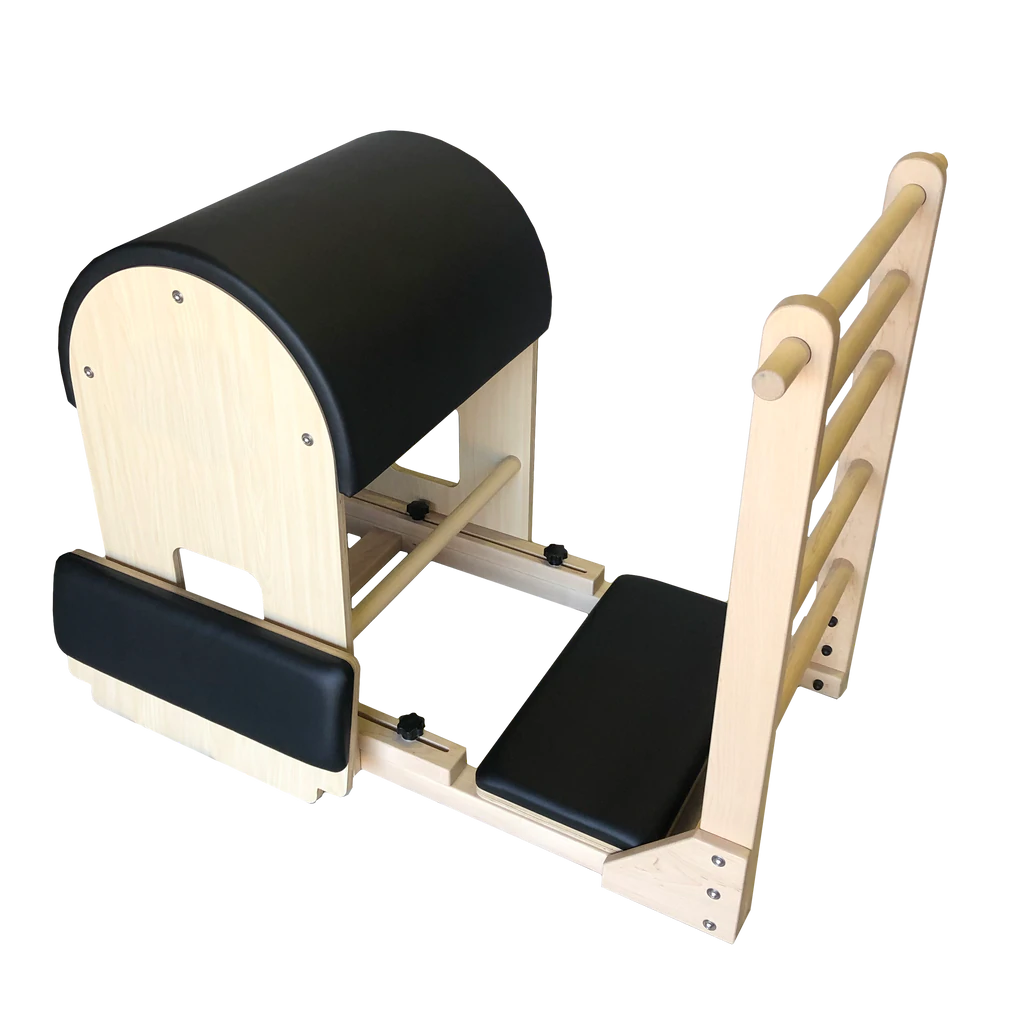
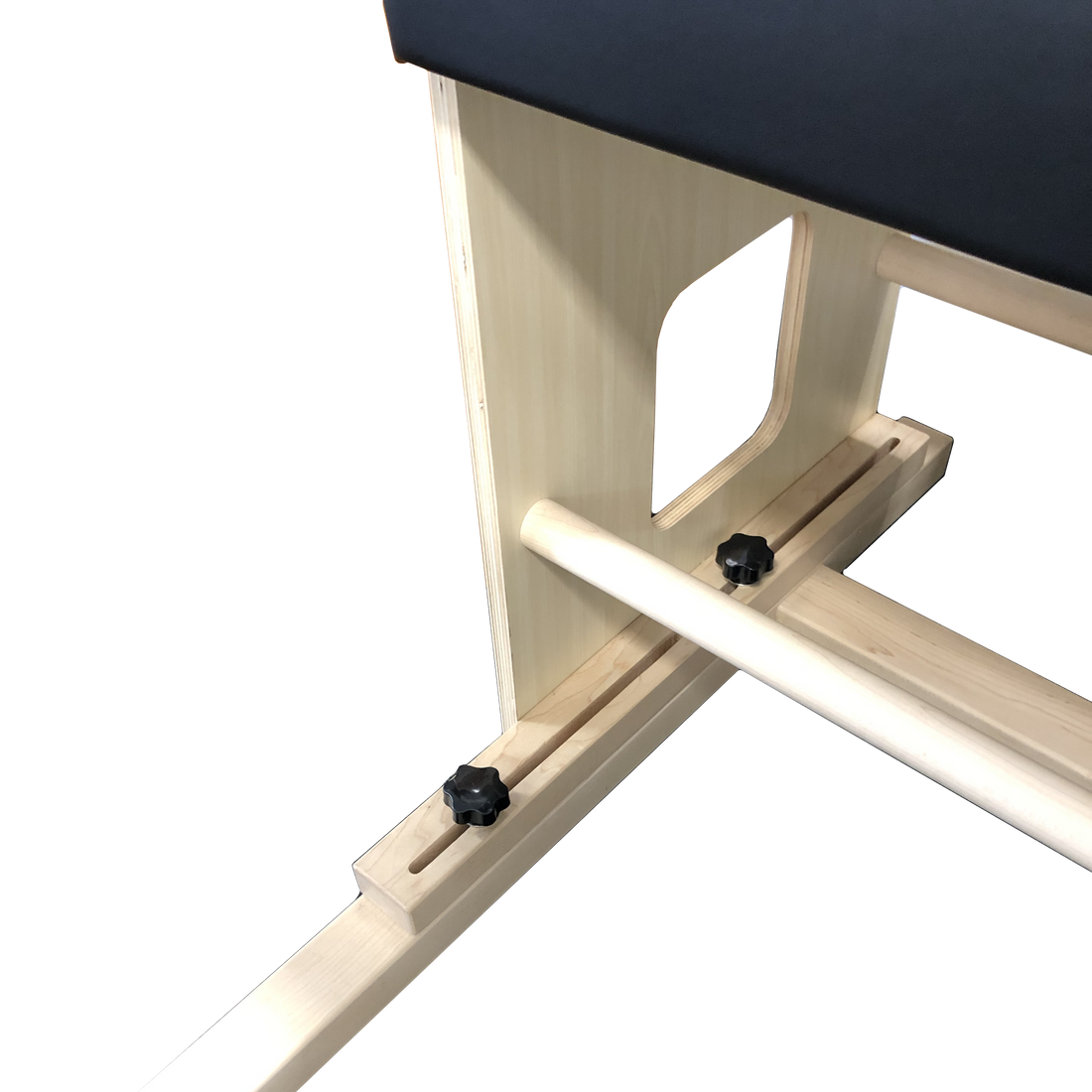 Ladder Barrel | Motion PilatesVendor:Ladder Barrel | Motion PilatesMotion Pilates
- Regular price
-
$1,390.00 - Regular price
-
$0.00 - Sale price
-
$1,390.00
Quick view
-
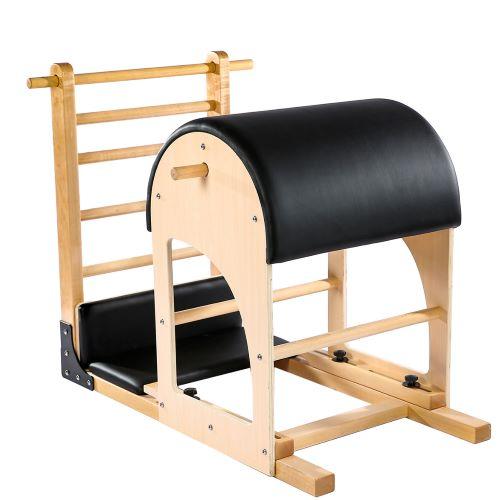
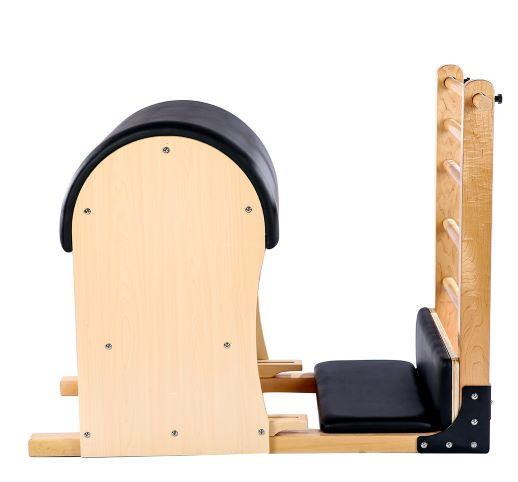 Ladder Barrel | Pioneer PilatesVendor:Ladder Barrel | Pioneer PilatesPioneer Pilates
- Regular price
-
$1,390.00 - Regular price
-
$0.00 - Sale price
-
$1,390.00
Quick view
-
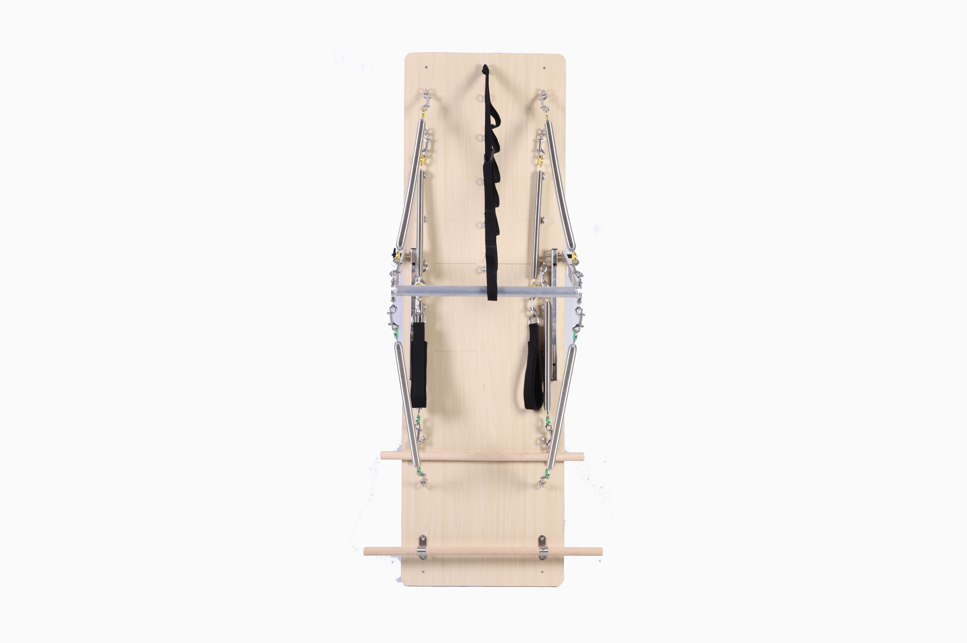
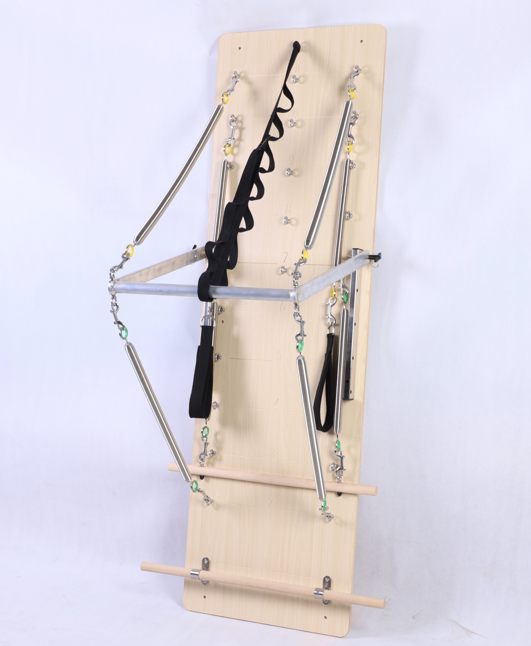 Wall Mounted Springboard | Motion PilatesVendor:Wall Mounted Springboard | Motion PilatesMotion Pilates
- Regular price
-
$1,340.00 - Regular price
-
$1,490.00 - Sale price
-
$1,340.00
Quick view
-
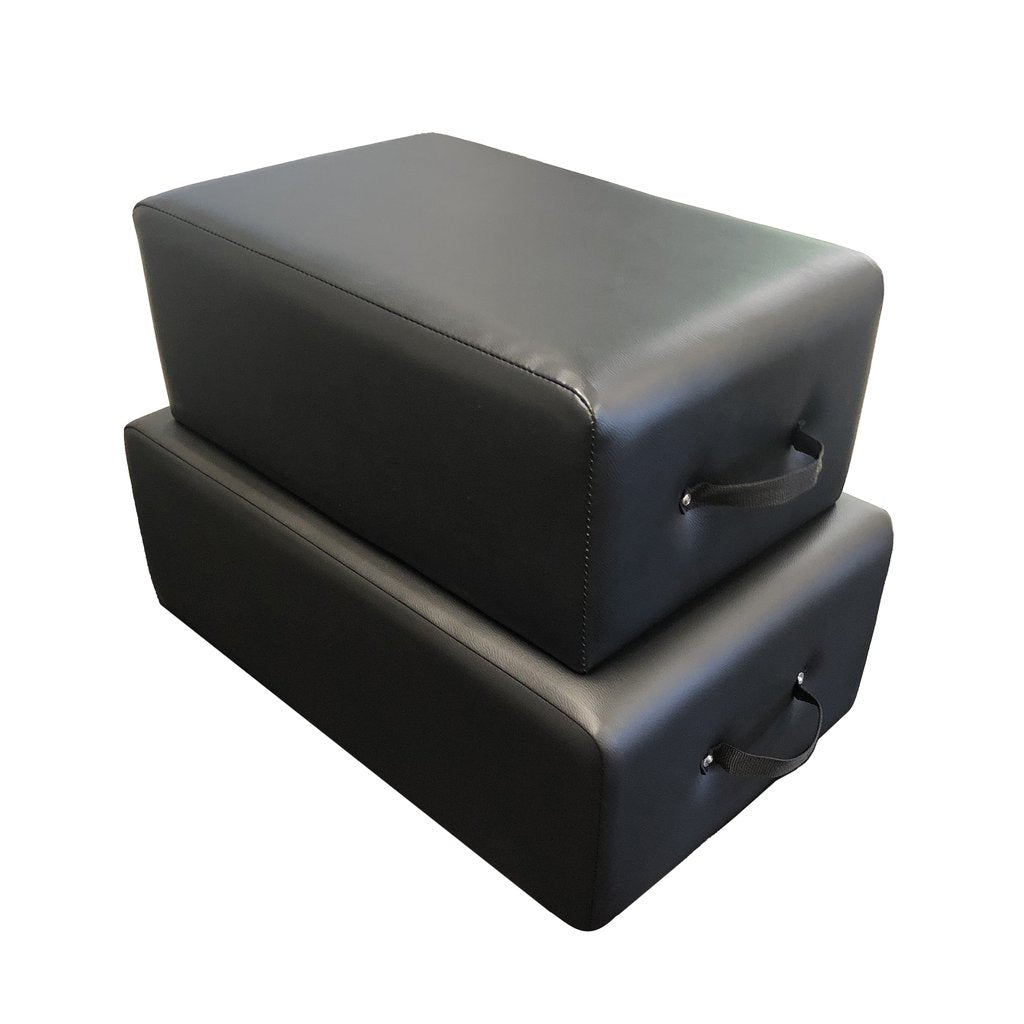
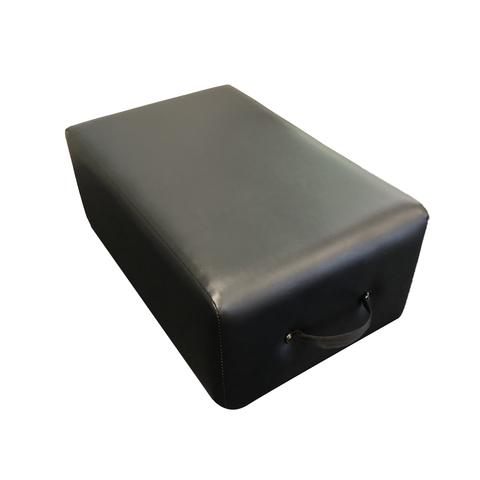 Small Sitting Box | Motion PilatesVendor:Small Sitting Box | Motion PilatesMotion Pilates
- Regular price
-
$259.00 - Regular price
-
- Sale price
-
$259.00
Quick view
-
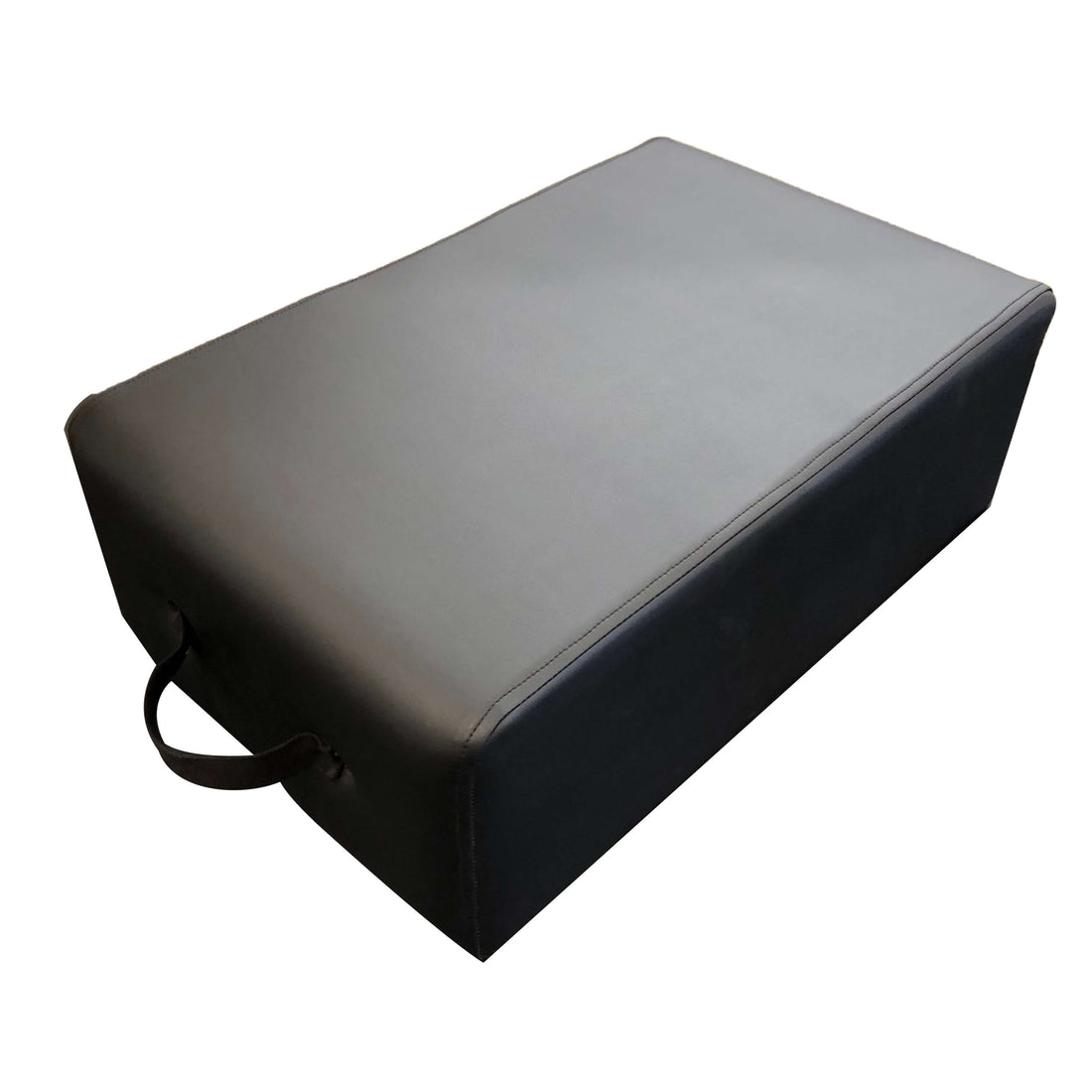
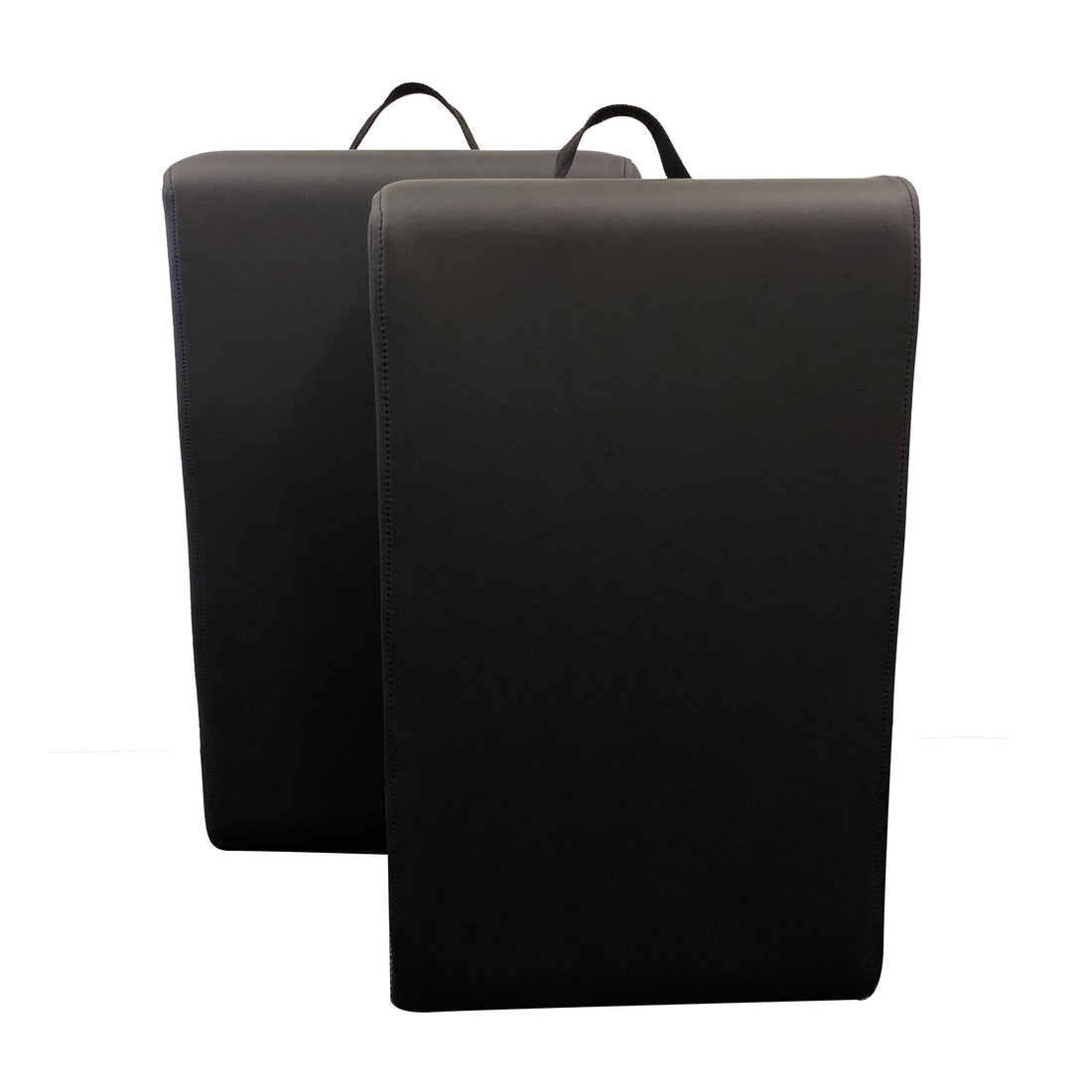 Large Sitting Box | Pioneer PilatesVendor:Large Sitting Box | Pioneer PilatesPioneer Pilates
- Regular price
-
$289.00 - Regular price
-
- Sale price
-
$289.00
Quick view
What equipment counts as pilates equipment beyond the reformer?
"Pilates equipment" covers the full apparatus system Joseph Pilates designed, not just the reformer. The pilates wunda chairs work spinal flexion, balance, and single-leg strength in a compact footprint. Spine correctors support extension and mobility work that a mat alone can't provide. Ladder barrels combine a barrel with a rung ladder for stretching, control, and rotation exercises. A wall-mounted trapeze tower, also called a springboard, adds spring-resisted work in standing, kneeling, and supine positions, while a full trapeze cadillac combines a reformer carriage with the same tower functions for studios wanting one larger apparatus. Sitting boxes serve as adjustable seating for chair-based and mixed apparatus sequences. Together, these categories make up the 13 products in this collection, spanning Motion Pilates and Pioneer Pilates ranges.
What should a first-time home buyer add to their setup, and in what order?
Most home buyers start with a reformer, ideally one of our foldable pilates reformers if space is limited, then add one apparatus at a time as their practice develops. A spine corrector or wunda chair is typically the next purchase, since both work well solo and complement reformer-based routines. Ladder barrels suit practitioners ready for more advanced stretching and rotation work, while a wall-mounted trapeze tower is worth considering once wall space and budget allow, as it adds spring-based resistance without taking up floor space. Sitting boxes are usually the last addition, since they're most useful once you already own a chair or barrel to pair them with. Building a setup piece by piece, rather than buying everything at once, keeps costs manageable and lets you learn each apparatus properly before adding the next.
How does home-grade equipment differ from commercial-grade equipment?
Home-grade apparatus is generally sized and built for lighter, less frequent use, while commercial-grade equipment uses heavier-duty frames, higher weight capacities, and upholstery rated for all-day studio traffic. Both grades in our range follow the same core materials principles, engineered timber or padded frames, high-density foam upholstery, and non-slip surfaces, but commercial pieces are reinforced for repeated use across multiple instructors and clients. If you're fitting out a studio, physio clinic, or gym rather than a home space, commercial-grade studio pilates reformers and matching apparatus are worth budgeting for from the outset, and physio clinics specifically should also look at our clinical reformers package, since replacing home-grade equipment once commercial use kicks in ends up costing more long-term. Warranty terms typically reflect this distinction too.
What should you check on space, dimensions, and assembly before buying?
Apparatus dimensions vary by piece: a ladder barrel and wunda chair are relatively compact, while a wall-mounted trapeze tower needs secure wall fixing and enough clearance for spring-loaded arm and leg work. Most equipment ships requiring some assembly, from bolting frames together to fitting springs and straps, so check what tools and time are needed before delivery day. If you're planning a multi-apparatus studio layout, allow enough space between pieces for full range of motion and safe instructor access, particularly around barrels and chairs where lateral movement is common. Pilates Direct has worked on 500+ studio, physio, and gym fitouts, so pairing new apparatus with the right pilates machine accessories, such as pilates rings, pilates hand straps, pilates ropes, and a pilates ball, is worth discussing before you finalise a layout.
FAQs
What weight capacity do wunda chairs, ladder barrels, and spine correctors typically have?
Weight capacities vary by model and brand, but most home and boutique-studio apparatus in this range is built to handle typical adult bodyweights with a safety margin, while commercial-grade pieces carry higher rated capacities for heavier or more frequent use. Always check the specific weight rating listed on the product page for the apparatus you're considering, since it differs between wunda chair, ladder barrel, and spine corrector designs.
What are pilates wunda chairs, spine correctors, and ladder barrels made from?
Most apparatus in this collection is built on engineered or solid timber frames, paired with high-density foam upholstery and non-slip vinyl or grip surfaces. These materials are chosen for durability under repeated use and for user comfort and safety during exercises that involve balance, extension, or rotation. Fittings such as springs, straps, and handles are typically metal or reinforced webbing rated for regular use.
How much space do I need for a wall-mounted trapeze tower or ladder barrel?
A ladder barrel and wunda chair are fairly compact and can fit into a spare room or studio corner, while a wall-mounted trapeze tower needs secure wall fixing plus clearance in front for full arm and leg extension during spring-resisted exercises. Exact dimensions vary between models, so check the specific product listing for footprint and clearance requirements before buying.
Can this equipment be used in a commercial studio, or is it built for home use only?
Both home-grade and commercial-grade apparatus are available across this range, so studios, physio clinics, and gyms should look specifically at commercial-rated pieces built for higher usage volumes and multiple users per day. Warranty coverage typically differs between residential and commercial use, so it's worth confirming the applicable warranty terms for your intended use before purchasing, particularly for a busy studio environment.
Do wunda chairs and ladder barrels require assembly, and can settings be adjusted afterwards?
Most apparatus arrives partially assembled, requiring final steps such as attaching springs, straps, or the ladder section, along with basic tools most households already have. Adjustable elements, like spring tension on a chair or tower, or ladder rung spacing on a barrel, can typically be changed after assembly to suit different users or exercises, so you don't need to disassemble the frame to adjust resistance or fit.
Similar products
- Choosing a selection results in a full page refresh.