

1 product
-
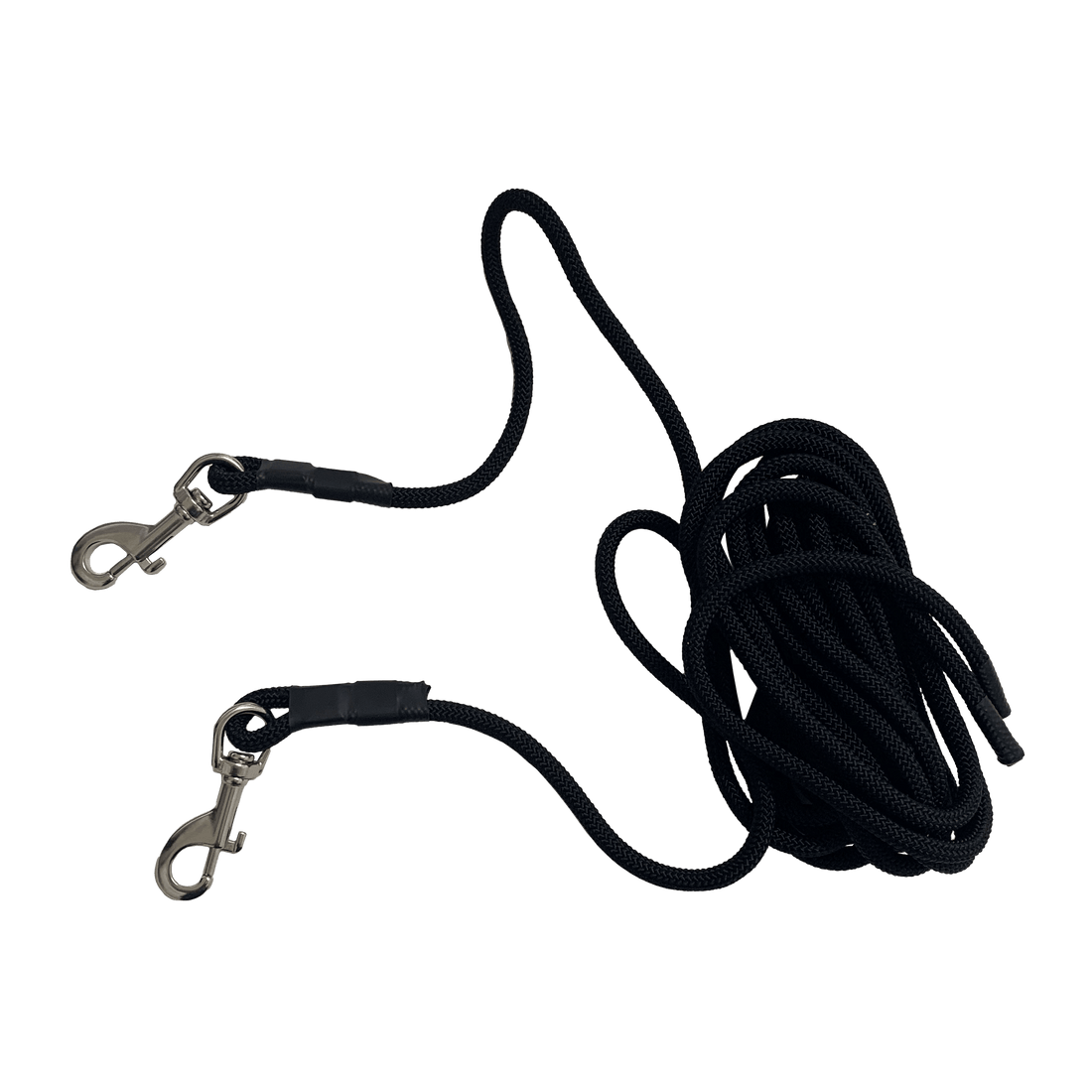
 Motion Pilates Reformer RopesVendor:Motion Pilates Reformer RopesMotion Pilates
- Regular price
-
$29.95 - Regular price
-
- Sale price
-
$29.95
Quick view
What do pilates reformer ropes actually do?
Reformer ropes run from the carriage, over the pulleys, down to the springs and up to the footbar or handles, transferring spring resistance into the pulling and pushing patterns that define reformer work. Every arm series, leg series and long stretch depends on rope tension staying even and consistent. Worn or stretched ropes throw off that tension, making movements feel uneven or springs feel lighter than they should. Ropes are one of the few reformer parts that see constant friction, so they wear faster than the frame or springs around them. If you're also refreshing other high-use parts, our pilates machine accessories range, including pilates hand straps, pilates rings and a pilates ball, covers footbar padding, springs and other components that tend to wear alongside ropes.
How do you know your reformer ropes need replacing?
Reformer ropes stretch and fray with regular use, and the signs are usually easy to spot once you know what to look for. Visible fraying or thinning where the rope runs over the pulleys is the clearest warning sign, especially if strands are starting to separate. Uneven stretch between the two ropes can make the carriage sit slightly off-centre or feel wobbly during longer exercises. A rope that's lost its grip and slips slightly under load, or one that's noticeably longer than it was originally, has usually stretched past a safe working point. Creaking or fraying near the springs or footbar attachment points is another cue. Because ropes carry load with every single repetition, replacing them at the first sign of wear is safer and cheaper than waiting for one to fail mid-session.
Are reformer ropes reformer-specific, or will any rope fit?
Reformer ropes aren't universal. Length, diameter and end-fitting style vary between reformer brands and even between models from the same brand, so a rope that fits one reformer won't necessarily fit another. Buying the wrong length is the most common mistake, since even a few centimetres out changes how the carriage sits and how the pulley system runs. If you're not sure which rope your reformer takes, check the model name against your original purchase or manual before ordering, or reach out with your reformer's details so we can confirm fit. This matters just as much for our studio pilates reformers and physio clinics running our clinical reformers as it does for home models, since commercial machines often use heavier-duty ropes rated for higher daily use. Getting the fitting right the first time avoids a second order and unnecessary downtime.
Can you buy replacement reformer ropes without buying a whole new reformer?
Yes. Reformer ropes are sold as a standalone spare part from our wider pilates equipment range, so a worn or frayed rope doesn't mean replacing the whole reformer. Most home users can swap ropes themselves with basic tools once they've confirmed the correct length and fitting for their model. It's a straightforward job that usually takes under half an hour per rope, and it's far more cost-effective than a new machine when the rest of the reformer, frame, springs and carriage, is in good condition. Studio owners managing multiple reformers often keep a spare set on hand given how much more frequently commercial machines are used.
FAQs
What material are reformer ropes made from, and are they safe under tension?
Reformer ropes are typically made from braided synthetic cord similar to marine-grade or climbing rope, chosen for its strength, low stretch and resistance to fraying under repeated pulley friction. Quality ropes are rated for a specific working load so they hold spring tension safely across thousands of repetitions. Using a rope that isn't rated for reformer-level tension, or continuing to use one that's visibly frayed, increases the risk of it failing mid-exercise.
How often do reformer ropes need replacing in a home setting versus a busy studio?
How often ropes need replacing depends almost entirely on how much load they're under. A home reformer used a few times a week might get several years out of a set of ropes, while a busy studio running back-to-back classes on the same machine can wear through ropes in a matter of months. Commercial studios generally build rope replacement into routine equipment maintenance rather than waiting for a failure, since downtime on a shared machine affects more people.
Can I buy replacement reformer ropes without buying a whole new reformer?
Yes, replacement reformer ropes are sold as a standalone part and don't require buying a new reformer. This is the most common reason people come to this collection, whether they're maintaining an ageing home reformer or servicing studio equipment. As long as you order the correct length and fitting for your specific model, a rope swap is a simple, low-cost way to extend the life of a reformer that's otherwise in good condition.
Will any reformer rope fit my machine, or do I need to match my exact model?
Reformer ropes are not one-size-fits-all. Length, thickness and the type of end fitting vary between manufacturers and often between different reformer generations from the same brand, so it's important to match ropes to your specific model rather than assuming a standard size will work. This applies across our full range of pilates reformer beds, from foldable home units to heavier studio-grade machines.
Is it safe to keep using a reformer once a rope looks worn?
It's best not to keep exercising on a reformer with a rope that's visibly frayed or stretched, since ropes carry your full body weight and the spring load with every repetition. A rope that fails mid-exercise, particularly during a stronger pull like a long stretch or leg series, can cause the carriage to move unexpectedly. If a rope looks compromised, it's worth pausing use of that reformer until it's replaced, and checking your other pilates machine accessories for similar wear while you're at it.
Similar products
- Choosing a selection results in a full page refresh.